Over the last five decades, Mýrarkvísl in North Iceland has experienced dramatic changes in salmon returns. Historical catch records from 1974 to 2025 tell the story of a productive salmon river, a period of decline, and a remarkable recovery in recent years.
The data strongly suggests that habitat work, stock management, and a catch-and-release policy introduced in 2014 have played a key role in strengthening the salmon population.
A River With a Strong History
For much of the late 20th century, Mýrarkvísl was known as a productive salmon river.
Between 1974 and 2006, the river produced an average catch of approximately 230 salmon per year, with several exceptional seasons.
The best year on record came in 1986 with 490 salmon, while other strong years included:
- 1985 – 388 salmon
- 1992 – 390 salmon
- 2004 – 357 salmon
- 2005 – 385 salmon
During this period the river regularly produced 200–300 salmon annually, demonstrating strong natural productivity.
The Collapse Years
After 2006 the river entered its weakest period in modern history.
Between 2007 and 2013, average catches dropped to only 74 salmon per year, with the lowest season occurring in 2013 when only 48 salmon were landed.
Like many North Atlantic salmon rivers, Mýrarkvísl was affected by a combination of factors including:
- marine survival changes
- reduced spawning stock
- natural population fluctuations
These years represented the lowest productivity seen in the river since records began.
Catch & Release Introduced in 2014
In 2014 a full catch-and-release policy for salmon was implemented in Mýrarkvísl.
Before this change, anglers were allowed to harvest salmon. From 2014 onward, all salmon have been released.
This management shift significantly increased the number of salmon reaching the spawning grounds each year.
A larger spawning stock means:
- more spawning pairs
- higher roe production
- increased juvenile production in the river
Because Atlantic salmon typically spend several years in freshwater and at sea, the biological effects of such measures often appear 6–10 years later.
Signs of Recovery
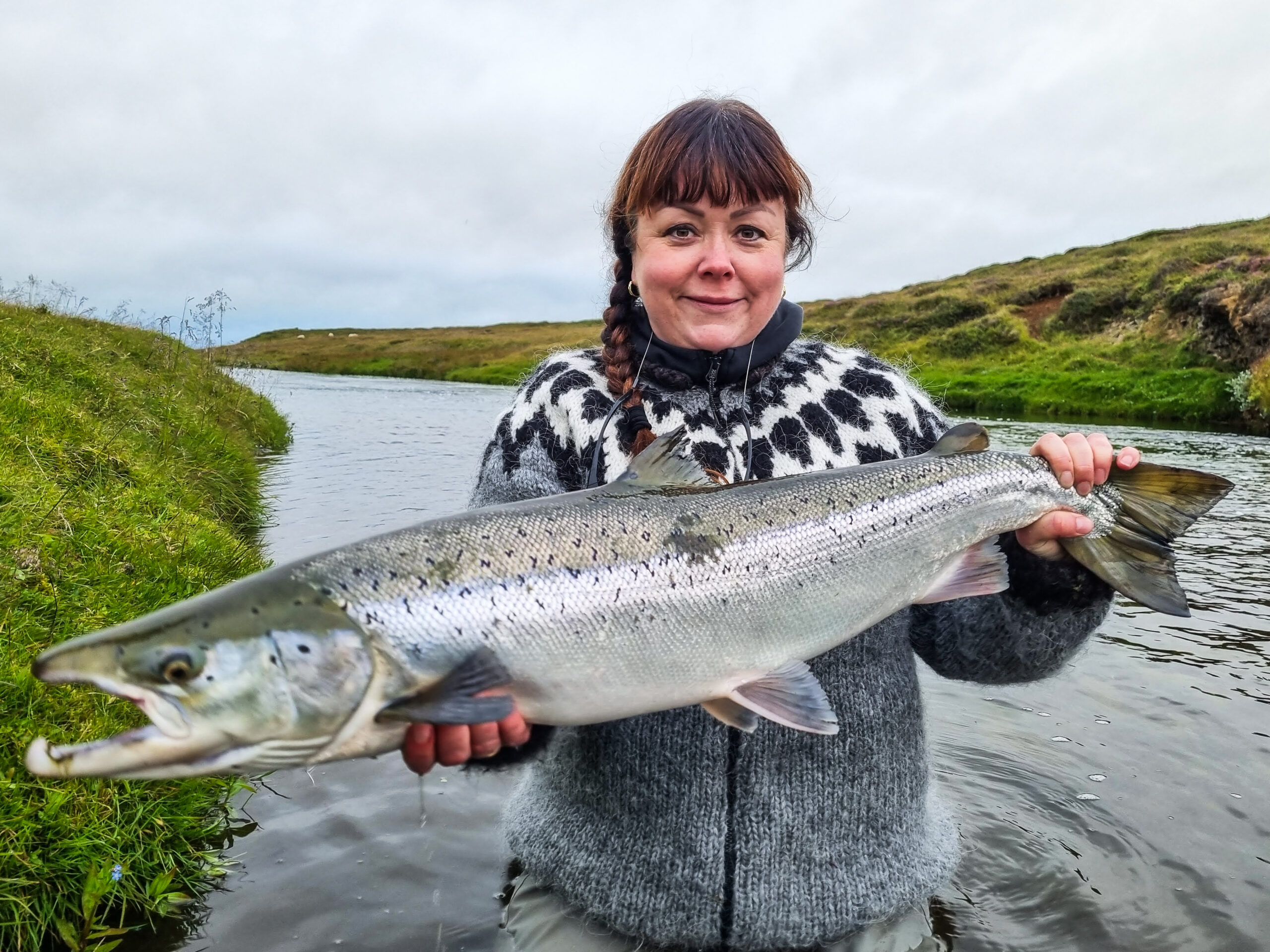
The first clear signs of recovery appeared in 2021, when the catch exceeded 200 salmon for the first time since the collapse years.
The following seasons confirmed the trend.
|
Year |
Salmon Landed |
|
2022 |
272 |
|
2023 |
283 |
|
2024 |
406 |
|
2025 |
203 |
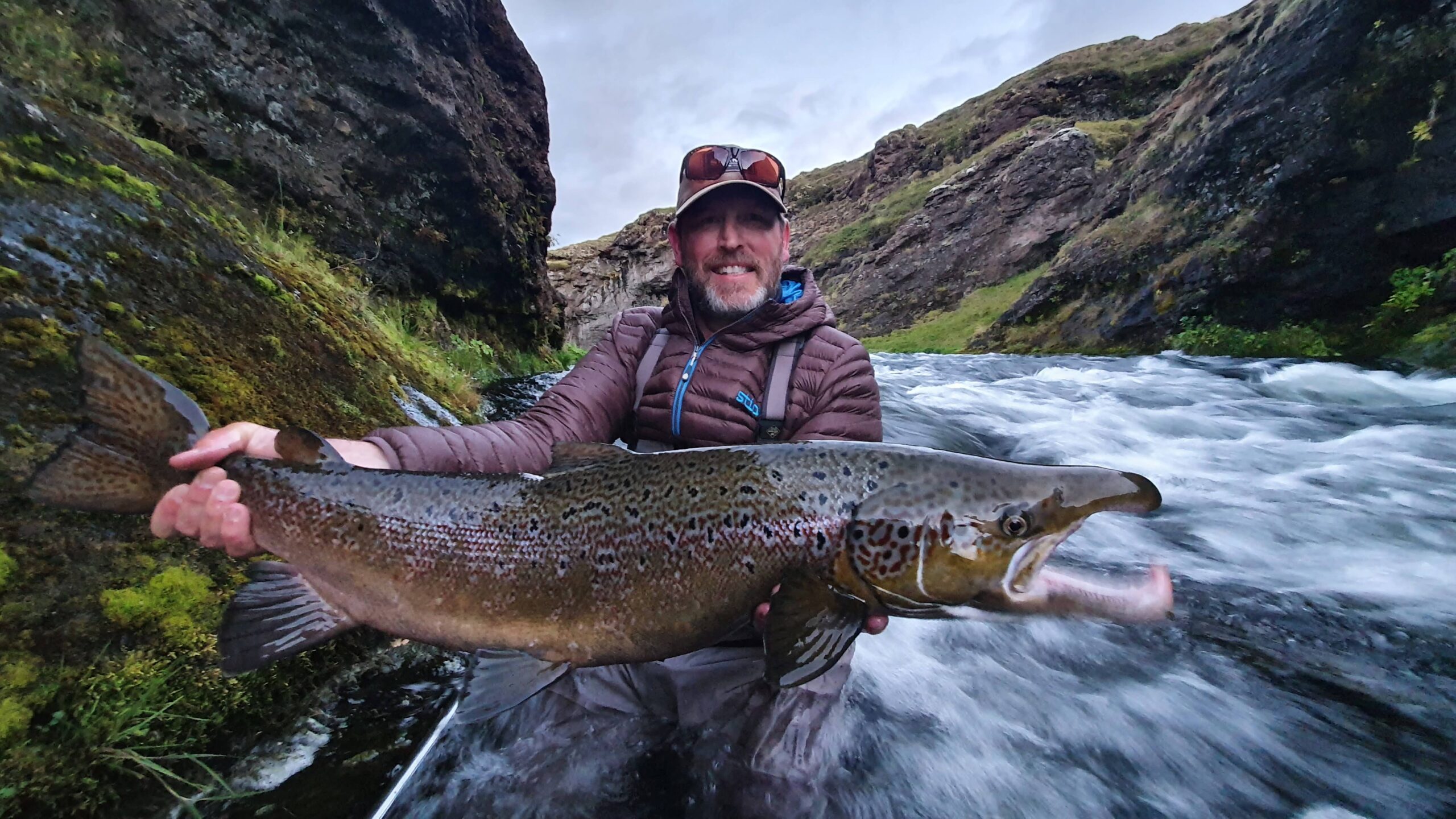
The 2024 season stands out, producing 406 salmon, making it the second best season in the history of the river and the best in nearly four decades.
Production Approaching Historical Levels
When examining long-term trends using a five-year rolling average, the river’s productivity appears to be approaching levels seen in the late 1980s and early 2000s.
Recent catches suggest that the natural production capacity of the river may lie in the range of:
250–400 salmon per year
with exceptional seasons potentially reaching 400–500 salmon.
Habitat Improvements Matter
In addition to catch-and-release management, recent work has focused on:
- habitat assessment
- improving spawning areas
- increasing juvenile production
Healthy spawning habitat is essential for strong salmon populations, as it determines how many juveniles the river can produce.
The recent results suggest that these efforts are beginning to pay off.
Looking Ahead
While salmon populations remain influenced by ocean conditions and other environmental factors, the trajectory of Mýrarkvísl in recent years is encouraging.
A river that averaged fewer than 100 salmon per year during the collapse period is now again producing over 250–400 salmon in strong seasons.
For anglers and river managers alike, Mýrarkvísl provides a clear example of how careful management, habitat work, and catch-and-release policies can help restore a salmon river.