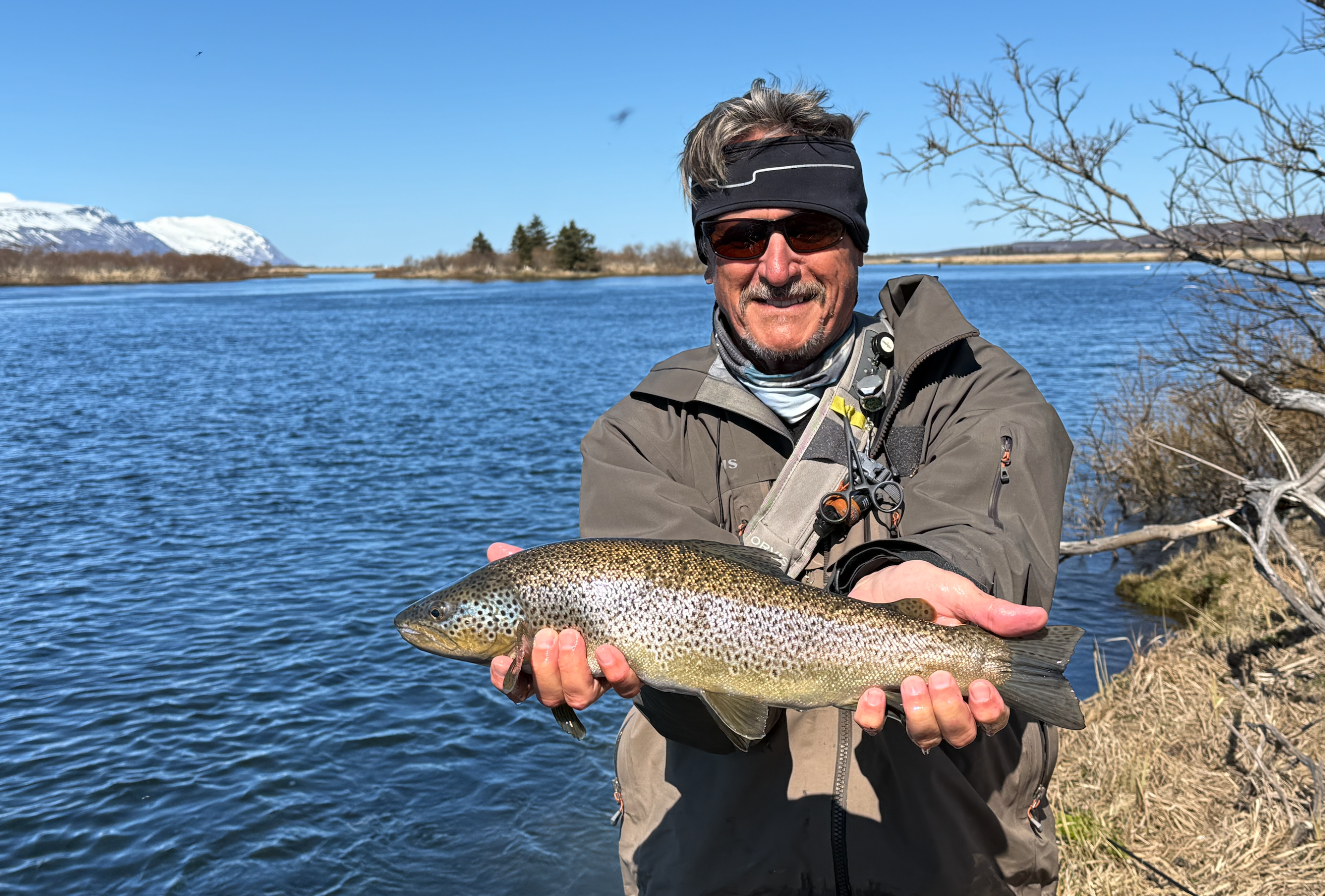
The transition from spring to summer is always one of the most exciting periods of the season in North Iceland.
Over the past few weeks, we have watched the rivers change almost daily. Water temperatures have gradually increased, insect activity has become more consistent and, perhaps most importantly, fish have started looking up.
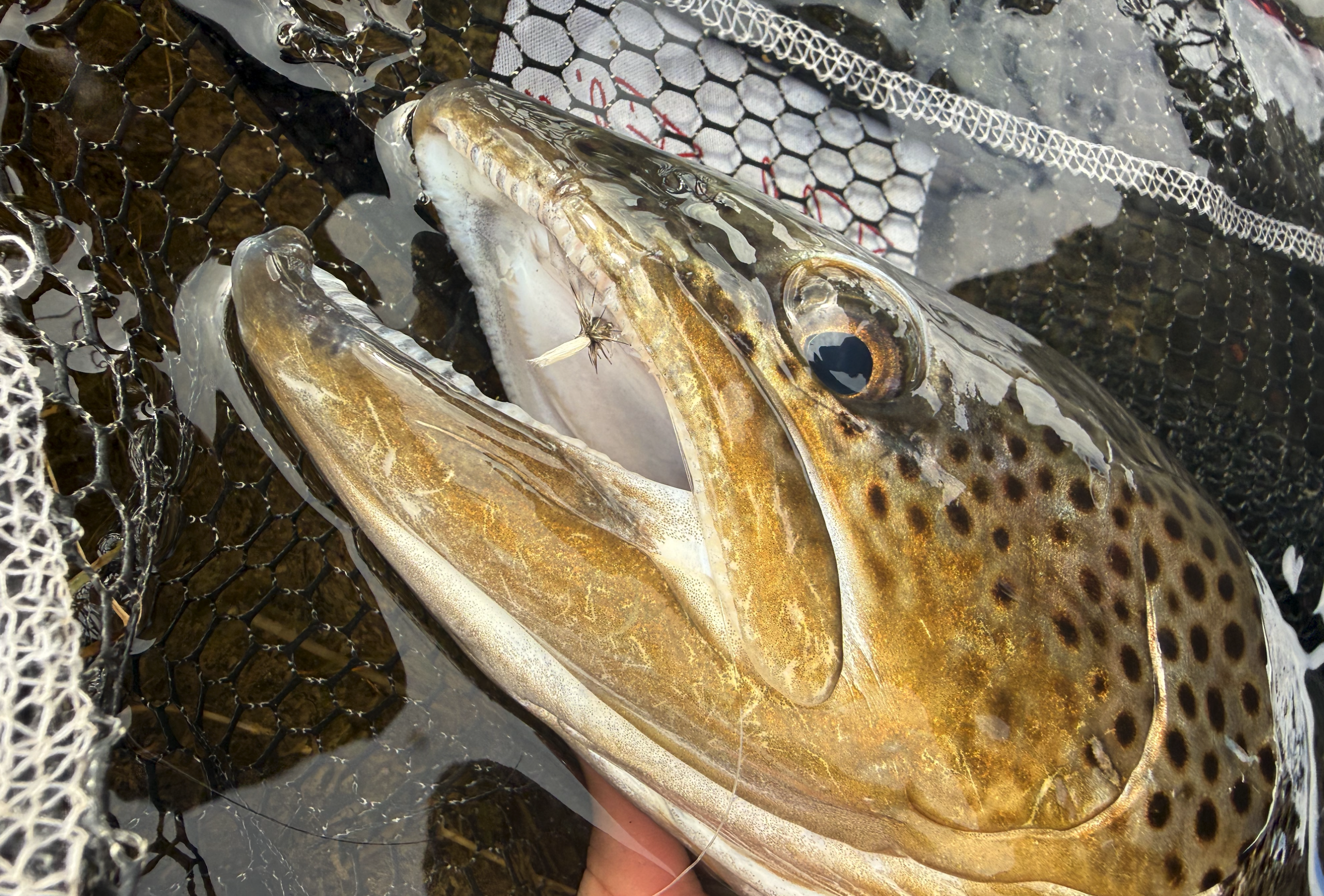
Across many of our rivers, anglers were reporting increasingly regular surface activity before last week’s cold front arrived. During calm periods we were seeing fish rise throughout the day, something that always feels like an important milestone each season. Long northern days, active birdlife and the first truly reliable hatches of summer were beginning to create that familiar feeling that the season is fully underway.
Then winter briefly reminded us that it is never too far away in Iceland.
A cold front moved through the country for several days, bringing lower temperatures and even a light dusting of snow to parts of the highlands. While conditions remained fishable, the sudden temperature drop naturally slowed insect activity and surface feeding in many locations.
At first glance, that sounds like bad news.
But one of the fascinating things about fishing in Iceland is that changing conditions almost always create opportunities somewhere.
One of the best examples came from Brunná.
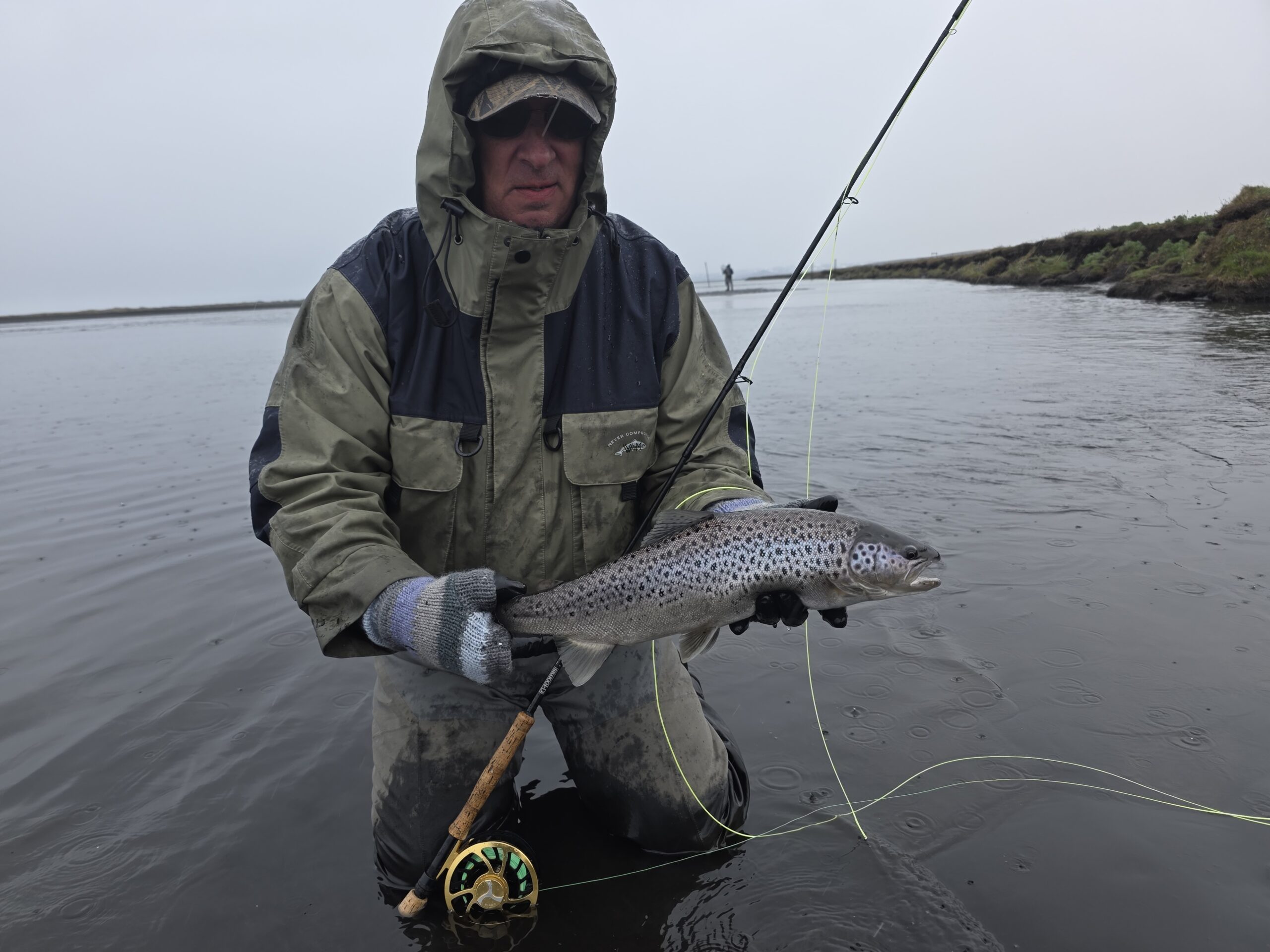
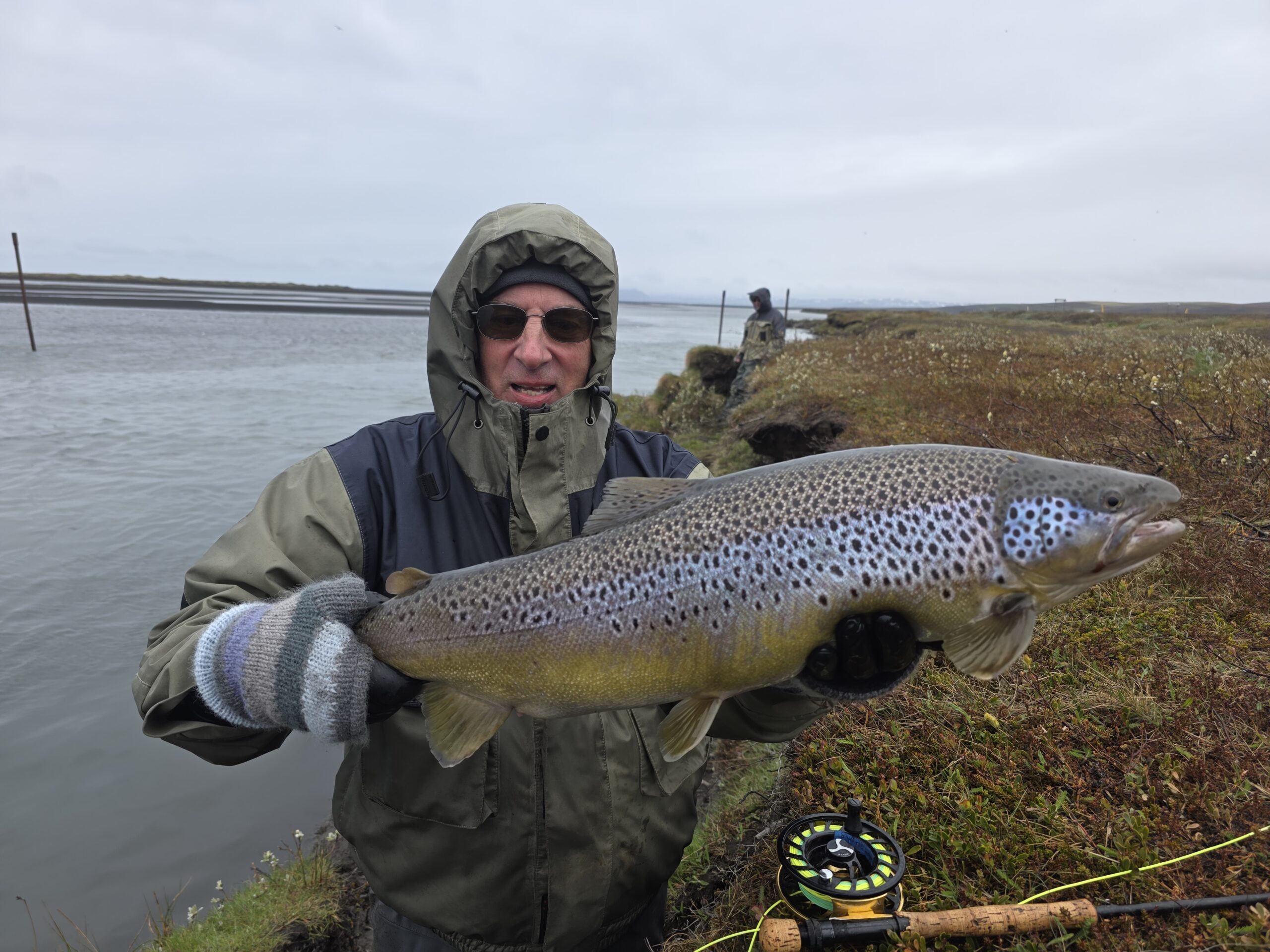
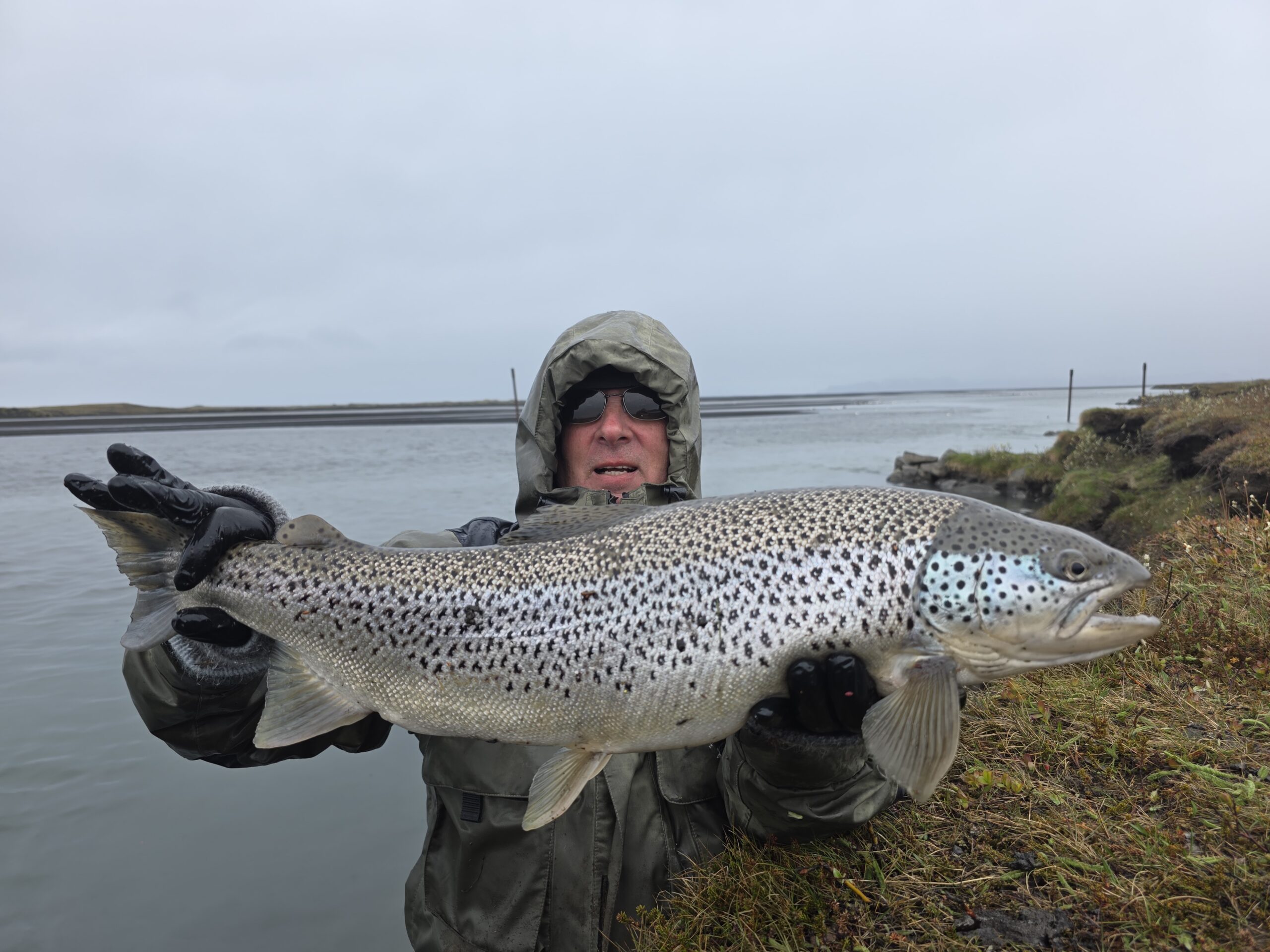
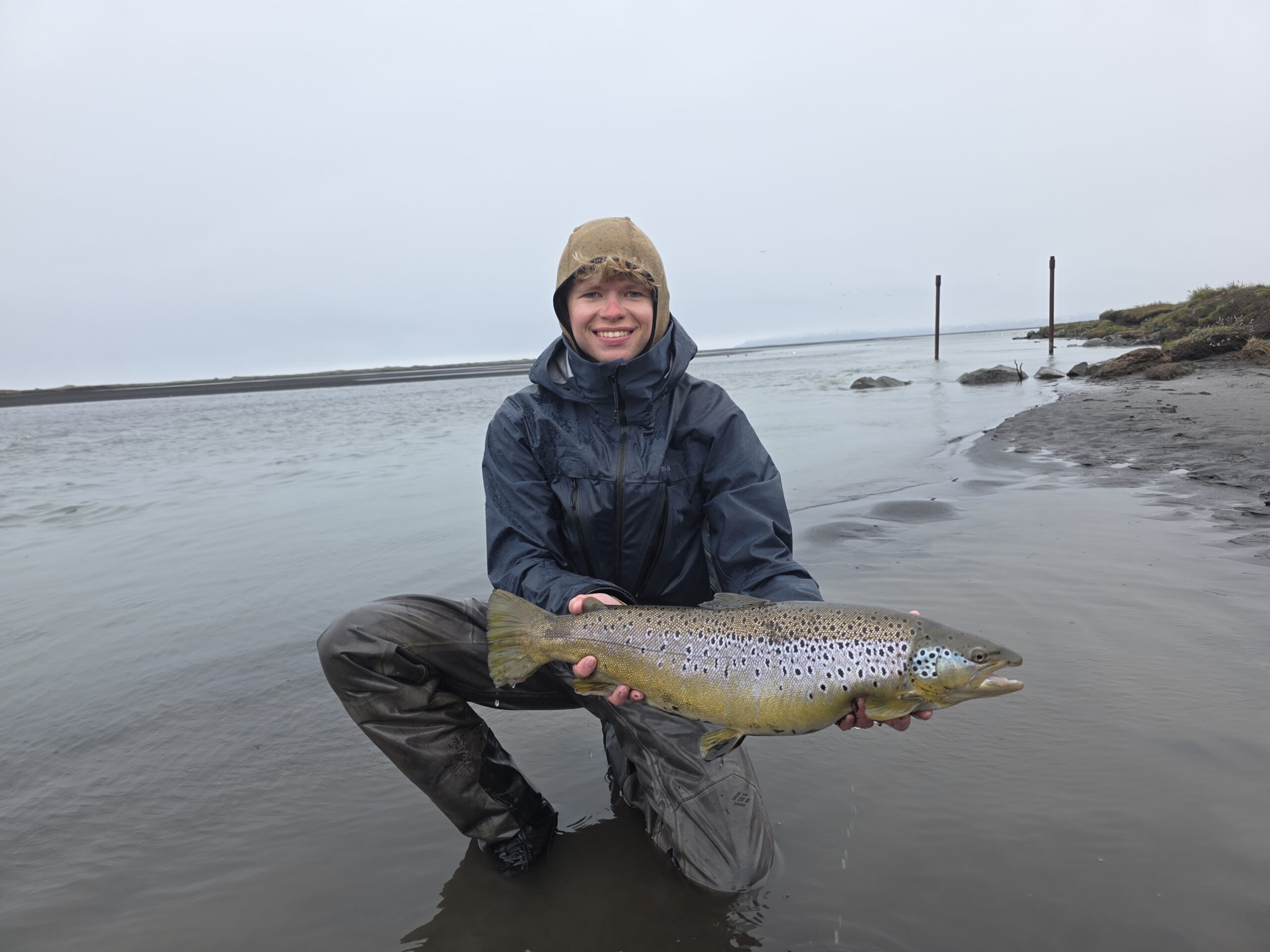
Brunná is a unique river, influenced in part by glacial water. One of its most famous pools is the Glacier Confluence Pool, where clear river water meets water flowing from the glacier. Throughout the season this pool consistently produces some of the largest trout caught in the river.
During warmer periods, increased glacial melt can sometimes reduce visibility in the pool, making it more difficult to fish effectively. The cold weather last week temporarily slowed that meltwater input, allowing the pool to clear significantly.
The result was remarkable.
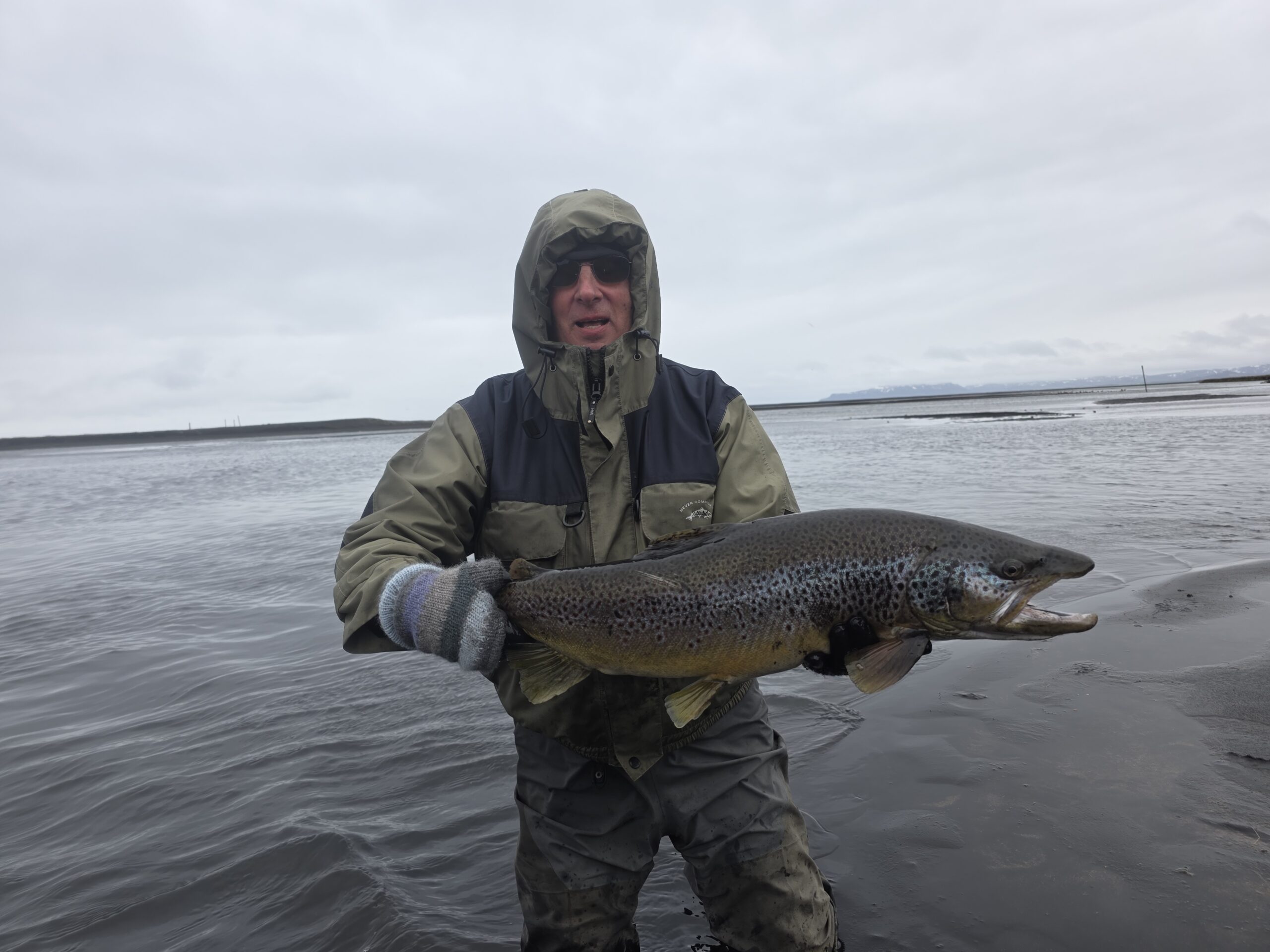
Anglers fishing the pool enjoyed one of the standout sessions of the season so far, landing more than twenty trout in a single session. Fish ranged from around 18 inches all the way up to 31.5 inches (80 cm), with numerous fish between 24 and 28 inches (60–70 cm).
Those are exceptional trout anywhere, but seeing that many quality fish caught in one session highlights just how productive the pool can be when conditions align.
Perhaps most encouraging was the consistency of the fishing. This wasn’t a case of one lucky fish. Anglers encountered trout throughout the session, with fish of all sizes actively feeding and moving through the system.
As we move into the coming weeks, the outlook is encouraging.
Besides this, the colder temps, the extra snow in the mountains and the reain we got, all help the water levels of our rivers for the rest of the season, witch is important for a good salmon fishing season!
The cold front has passed, temperatures are climbing again and insect activity is increasing across the region. We are already seeing more fish rising, and forecasts suggest a return to stable early-summer conditions.
For anglers planning trips over the next month or two, this is exactly what we hope to see at this stage of the season. Rivers are settling, food sources are becoming more abundant and fish are increasingly willing to feed near the surface.
One of the greatest advantages of fishing in North Iceland is the diversity of our waters. Conditions that might slow fishing on one river can often improve it somewhere else. Last week’s experience on Brunná was a perfect reminder of that.
While many anglers were watching the thermometer drop, some of the best fishing of the season was quietly taking place in a pool that had suddenly become fishable again.
Summer has arrived in North Iceland, and we are excited to see what the coming weeks bring.