
Introduction
Mýrarkvísl is one of North Iceland’s most varied and enjoyable trout and salmon rivers, offering everything from gentle plains to fast canyon water and clear, sight-fishing opportunities. With reliable hatches, active trout from early spring, and strong summer salmon runs, it remains a favourite among many visiting anglers. In this guide, we highlight the best flies for Mýrarkvísl, including recommended sizes and seasonal tactics to help you choose the most effective patterns throughout the season.
Character of the River
Mýrarkvísl begins on the Reykjaheiði plateau, where the river flows through shallow plains ideal for small dries and nymphs. For roughly 15 km, anglers enjoy clear, slow-to-moderate water that warms early and supports active trout feeding during spring and early summer.
Further downstream, the river enters a steep canyon, where the flow becomes stronger and more dramatic. These pools are deeper, more powerful, and often hold both trout and salmon tight to structure.
As the river descends toward Laxamýri and its final kilometers before joining Laxá in Aðaldal, it widens again into a mixture of glides, current seams, and productive holding pools.
Fishing permits for Mýrarkvísl also include Lake Langavatn, which provides family-friendly fishing for small Arctic char and occasionally larger brown trout.
Read more about Mýraarkvísl Here
Species
Brown Trout
-
Main target from April onward
-
Very strong numbers, especially in the upper plains
-
Peak trout period: June 1st – July 20th
-
10–15 trout per day is common in good conditions
Atlantic Salmon
-
First fish arrive in June
-
Peak salmon action: mid-July through August
-
Canyon pools and lower river are the most productive
Arctic Char
-
-
Found mainly in Lake Langavatn
-
Suitable for families and beginners
-
Recommended Flies & Sizes
Below are the patterns that consistently perform on Mýrarkvísl, organized by category.
Nymphs
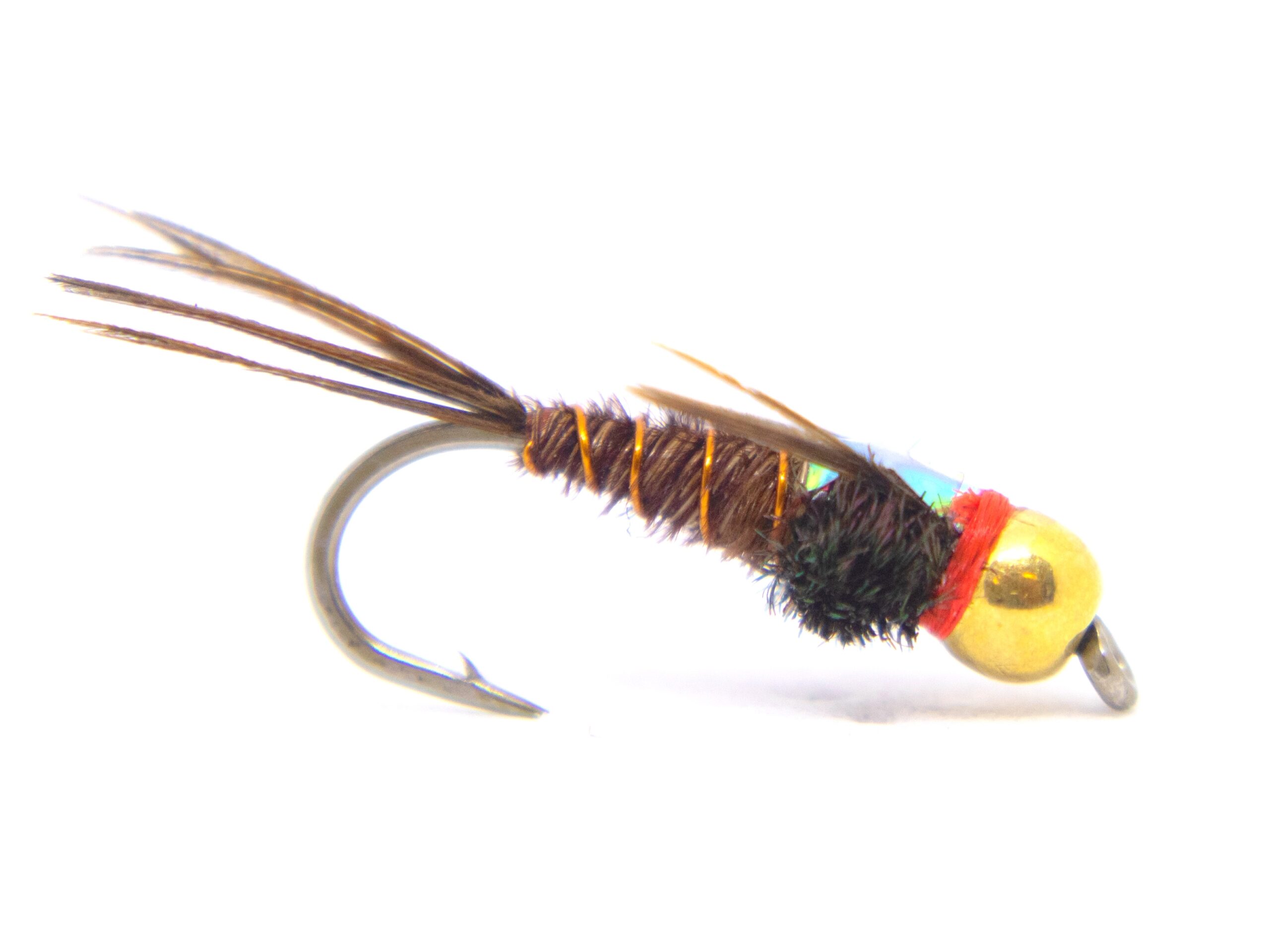
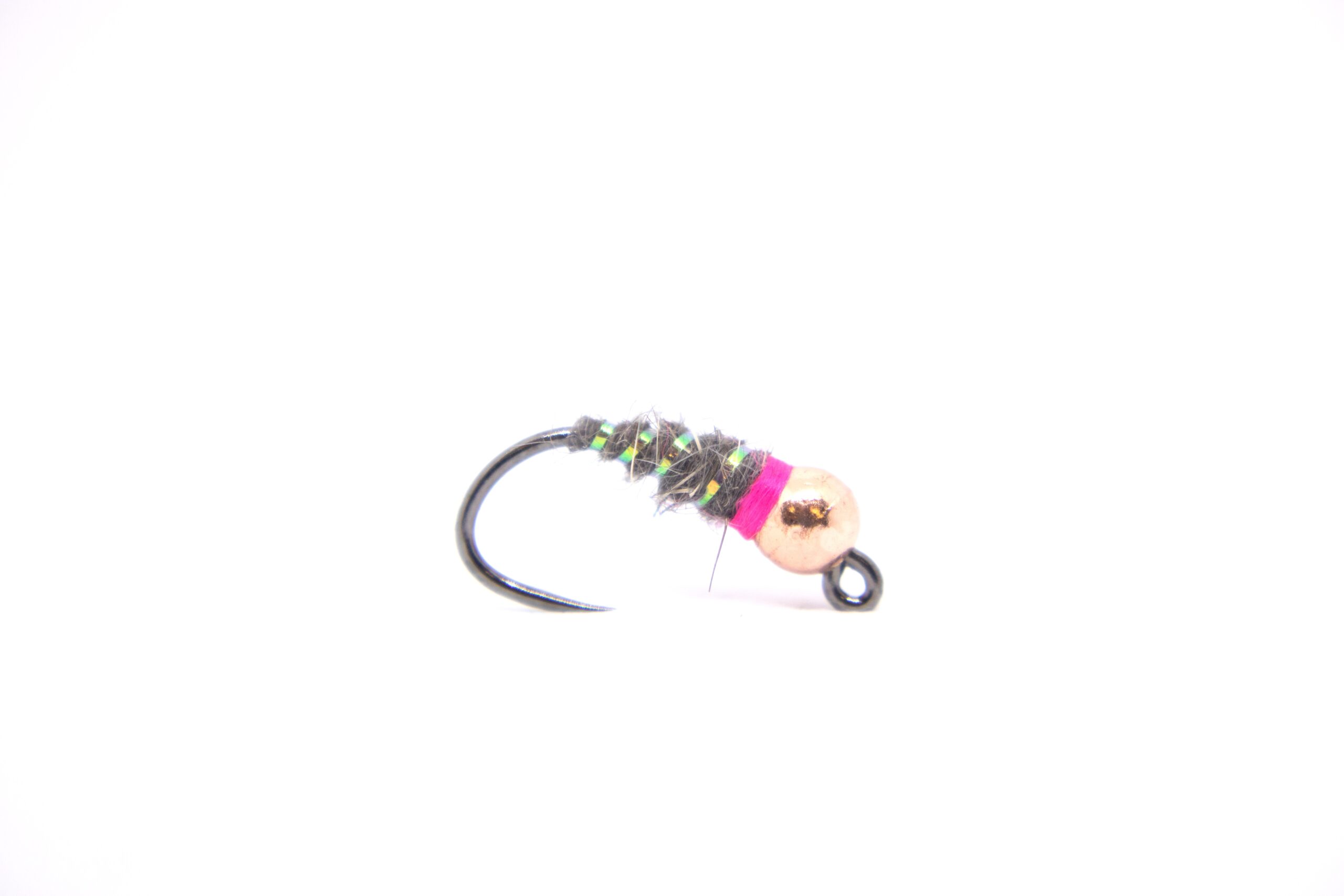
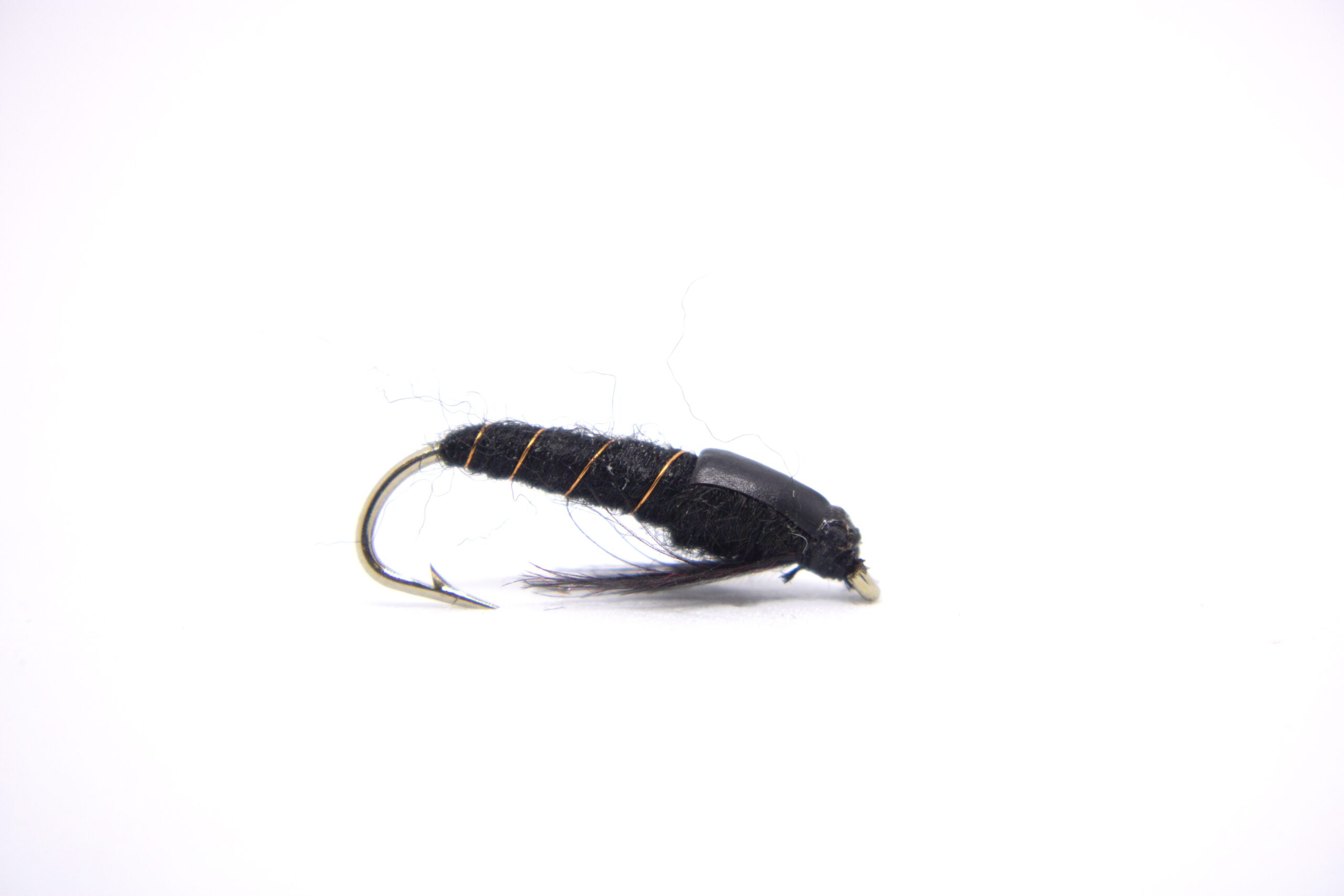
-
Pheasant Tail – #12–20
-
Beykir – #12–18 (classic Icelandic pattern)
-
Zebra Midge – #16–22
-
Blow Torch – #12–16
-
Krókurinn – #12–16 (classic Icelandic pattern)
-
Squirmy Wormy – #12
-
Bloodworm – #12–18
-
Micro Mop – #14
-
Peacock (cased caddis) – #14–8
-
Perdigons – #12–16
- Sexy walts – #12 – 16
Use larger patterns in April–May when temps are lower, and switch to lighter, more delicate nymphs in June–August when the trout become cautious on good weather days. A core method in early season and again in Septembe
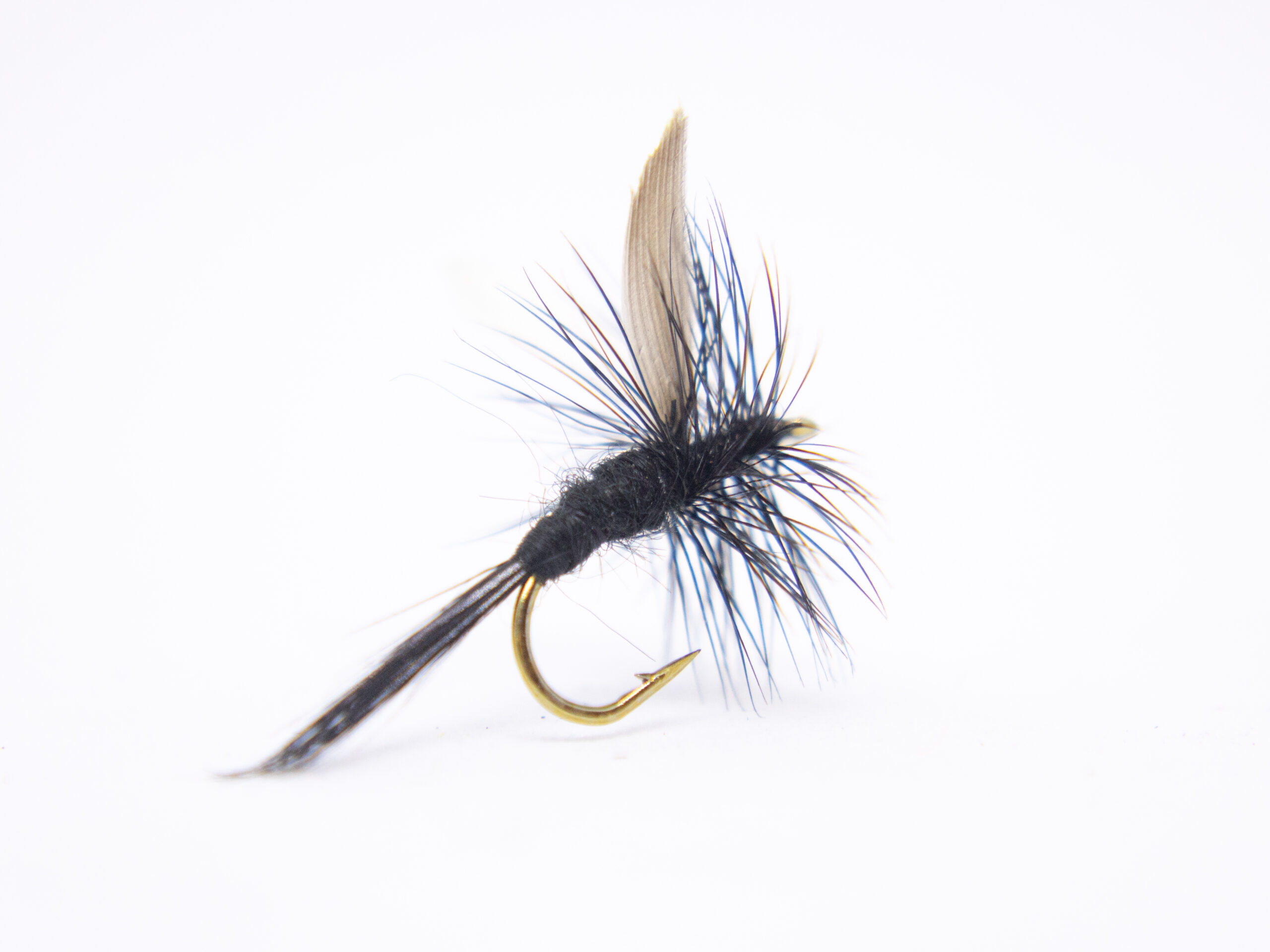
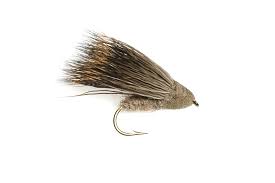
Dry Flies (Size Range: #8–20)
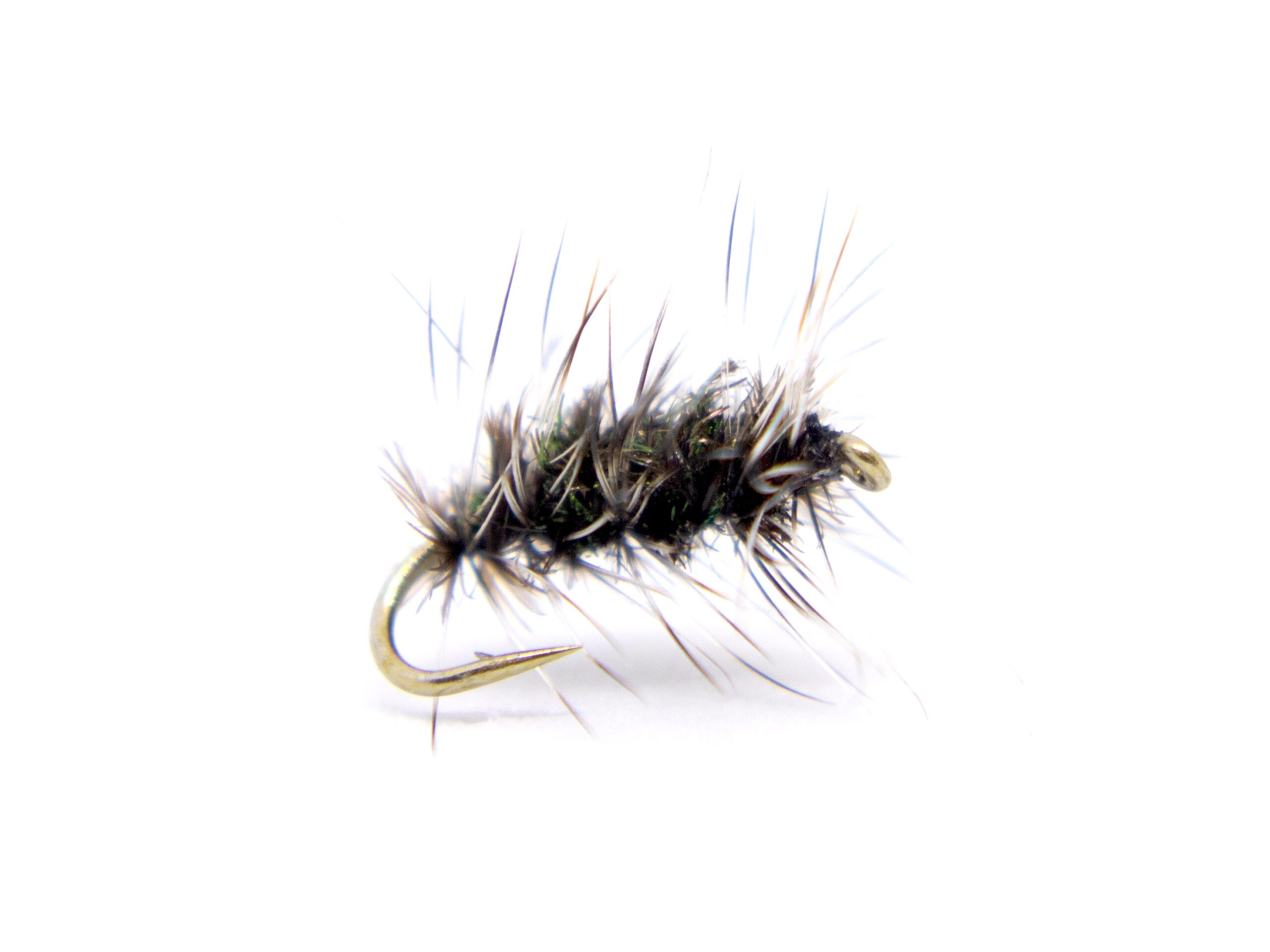
-
Elk Hair Caddis (Tan) – #14–10
-
Griffiths Gnat – #20–14
-
Parachute Adams – #18–14
-
Klinkhammer – #18–12
-
Galdralöpp – #14–10 (classic Icelandic pattern)
-
F-Fly – #20–14
-
Black Gnat – #12–18
- Cahill Dark – #18 – 14
- Various midge patterns – #22 – 16
Dry fly fishing starts earlier on Mýrarkvísl than most Icelandic rivers. These patterns work extremely well in the upper plains, especially in warm periods from early June.
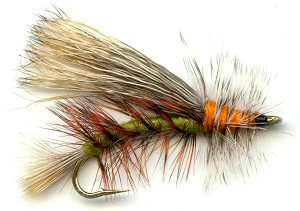
Large Attractor Dries (#8-12)
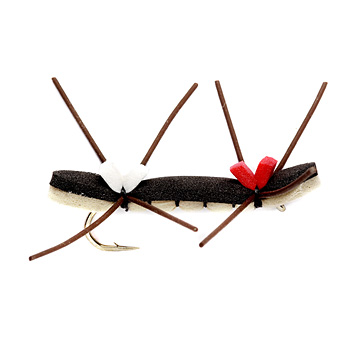
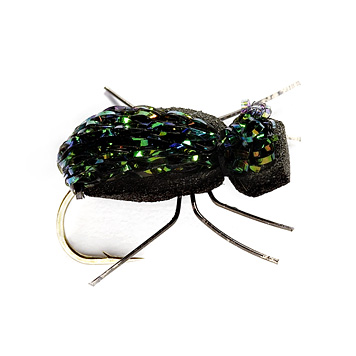
- Chubby Chernobyl – #10 – 6
-
Fat Albert – #10 – 6
- Daddy Longlegs – #12 – 8
-
Stimulators – #12 – 6
-
Foam beetles – #12 – 6
-
Foam ants – #12 – 6
-
Hopper & cicada-style dries – #12 – 6
when the river has warmed up but no fish are rising, an attractor dry can be very effective, even tohugh Iceland has no terrestrials this big, these are a must have in July and August. and work really well in a hopper dropper setup.
Streamers (Size Range: #6–10)
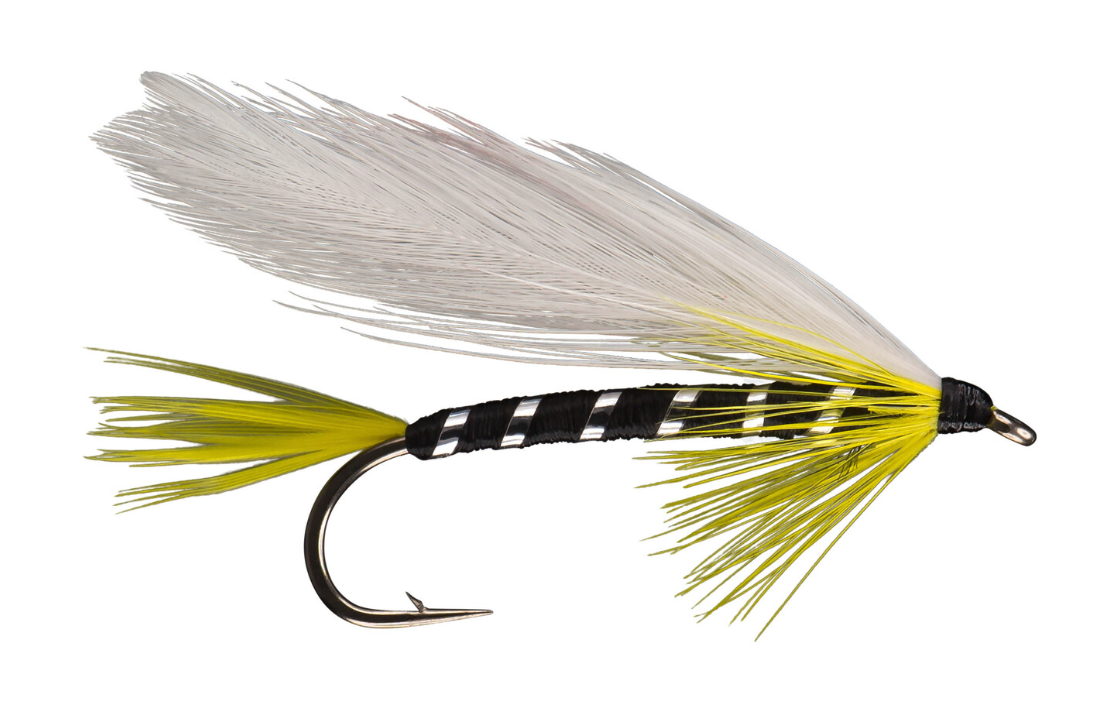
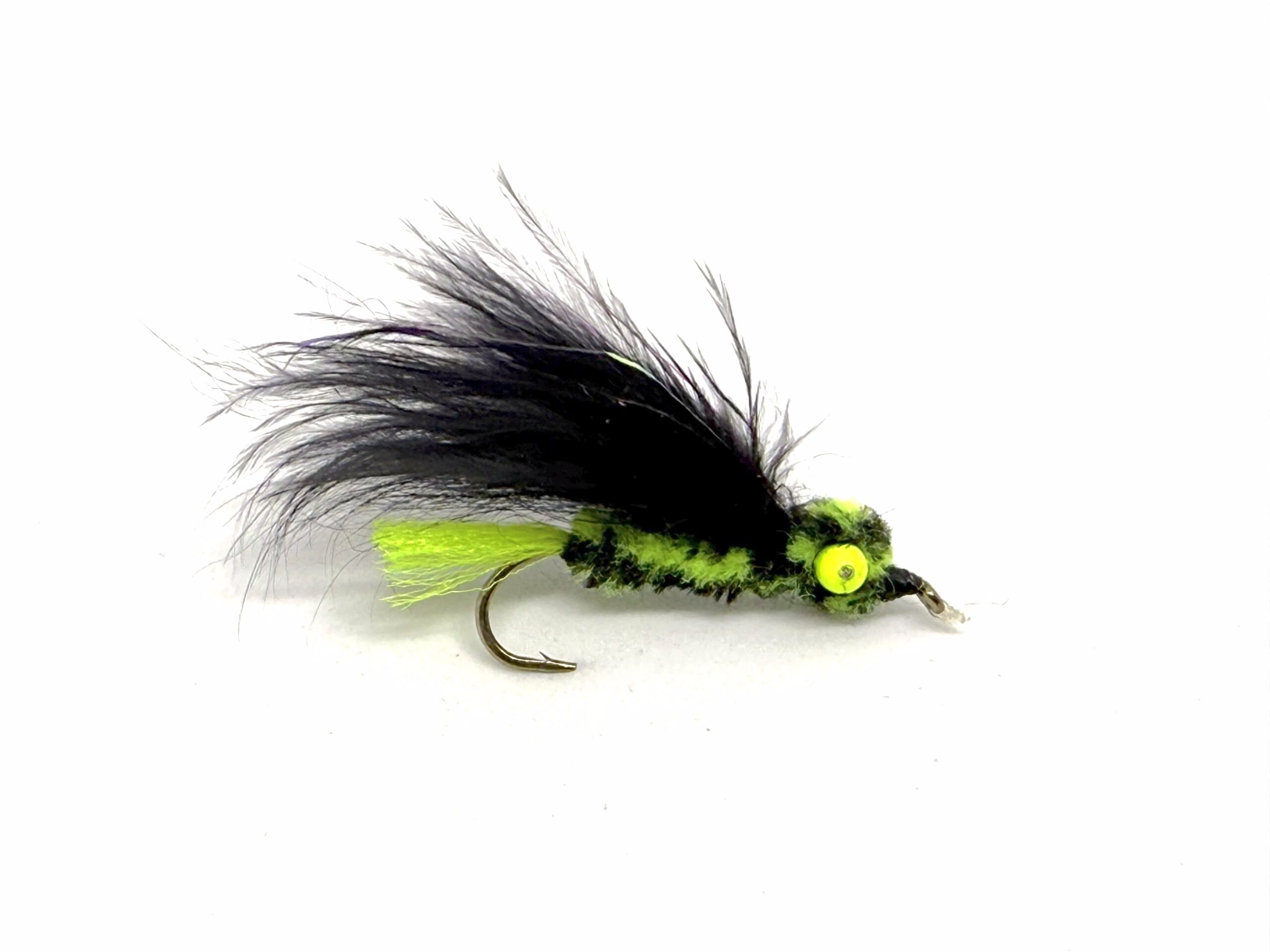
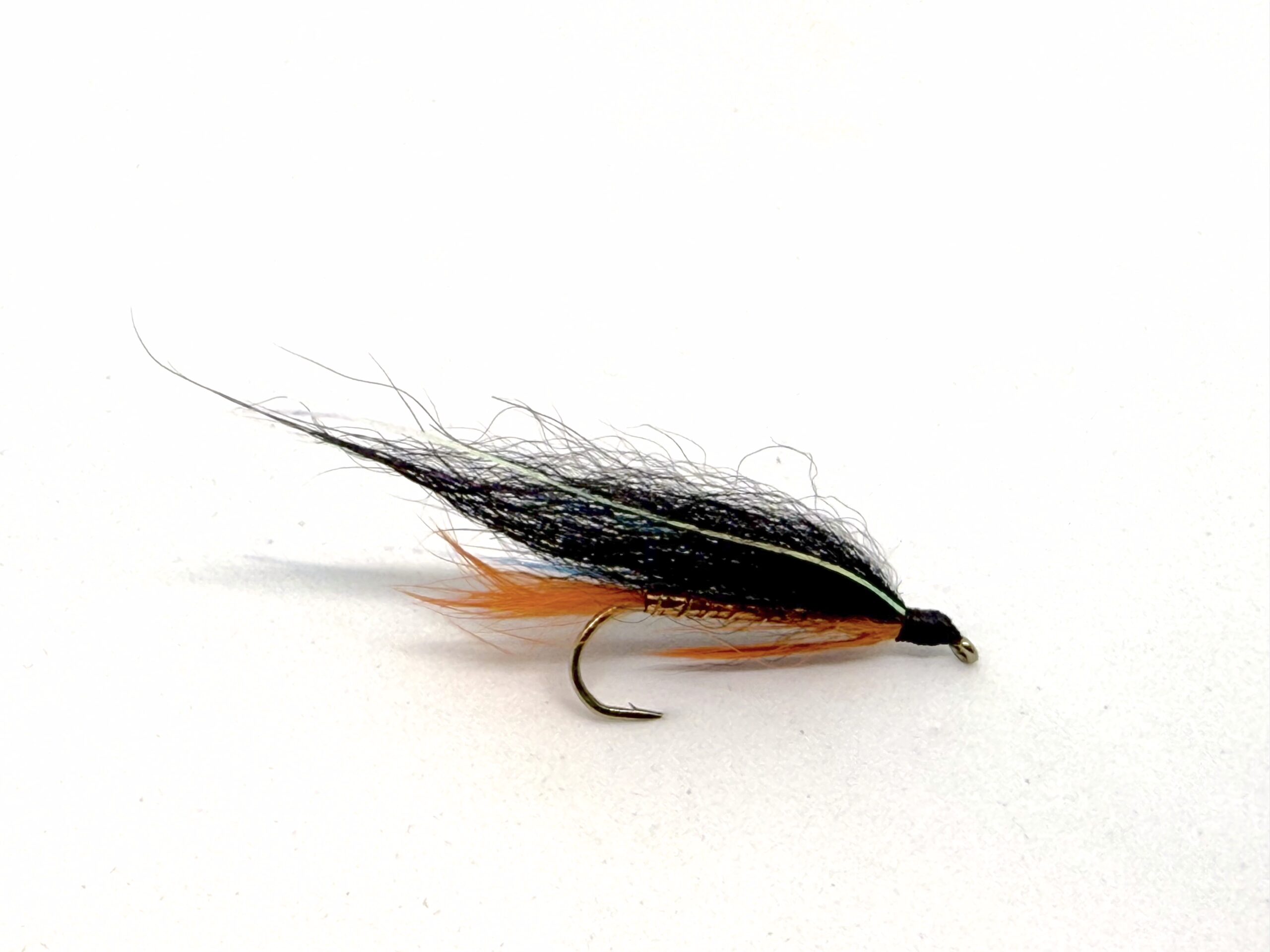
-
Black Ghost – #10–6
-
Rektor – #10–6 (classic Icelandic pattern)
-
Dentist – #10–6
-
Grettir – #10–6 (classic Icelandic pattern)
-
Gray Ghost – #10–6
-
Nobbler (white/black/yellow) – #12–6
-
Dýrbítur (classic Icelandic pattern)
-
Small Gamechangers / Sex Dungeon / Circus Peanut
-
Wooly Bugger (various colours) – #10–6
Streamers work really well on Mýrarkvísl from the start of the season April 1st, and throughout September. Atlantic salmon will also take a trout streamer from time to time, so fishing streamers with heavy tippet from June – late July is a great idea as you’ll have a chance of catching both trout and a salmon.
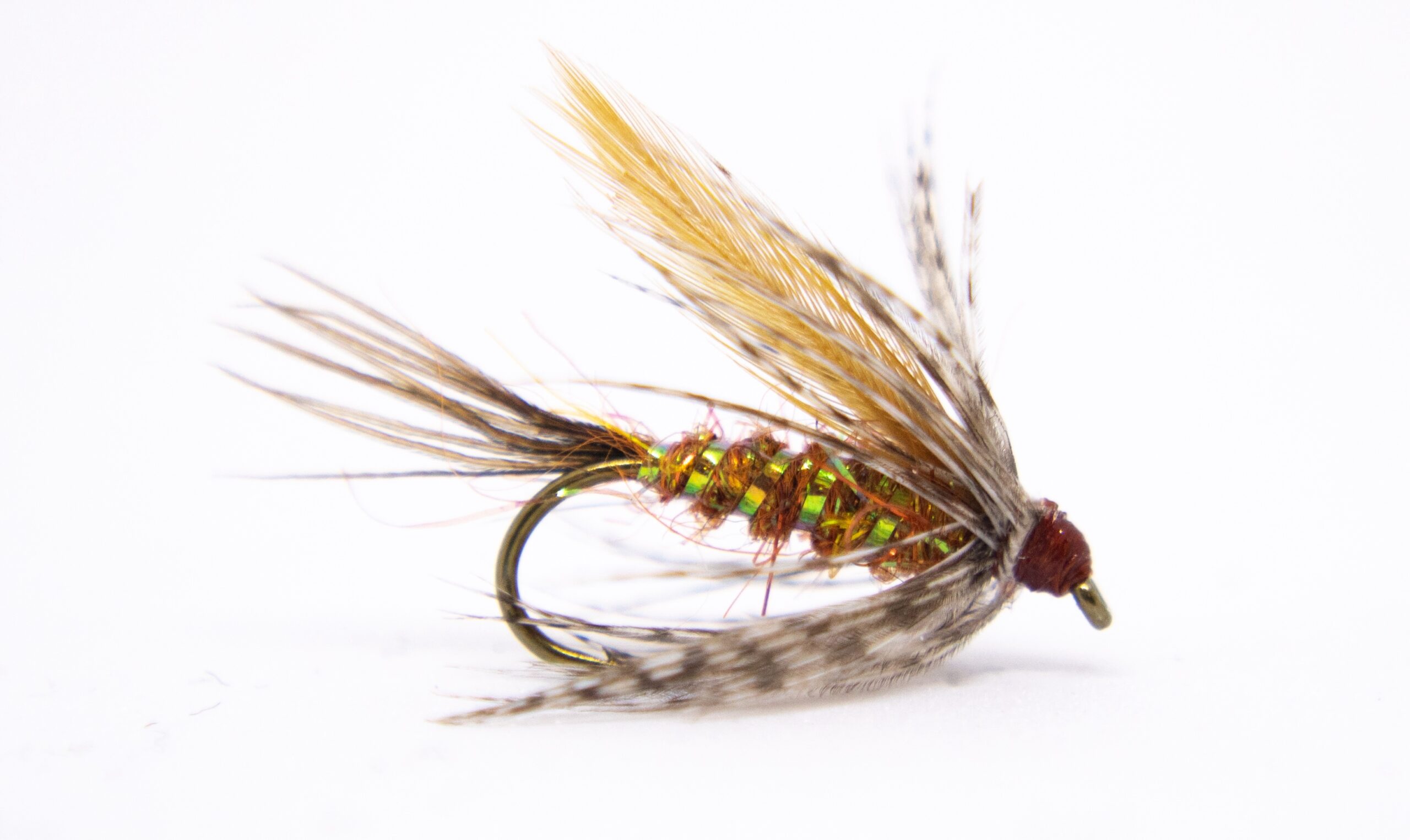
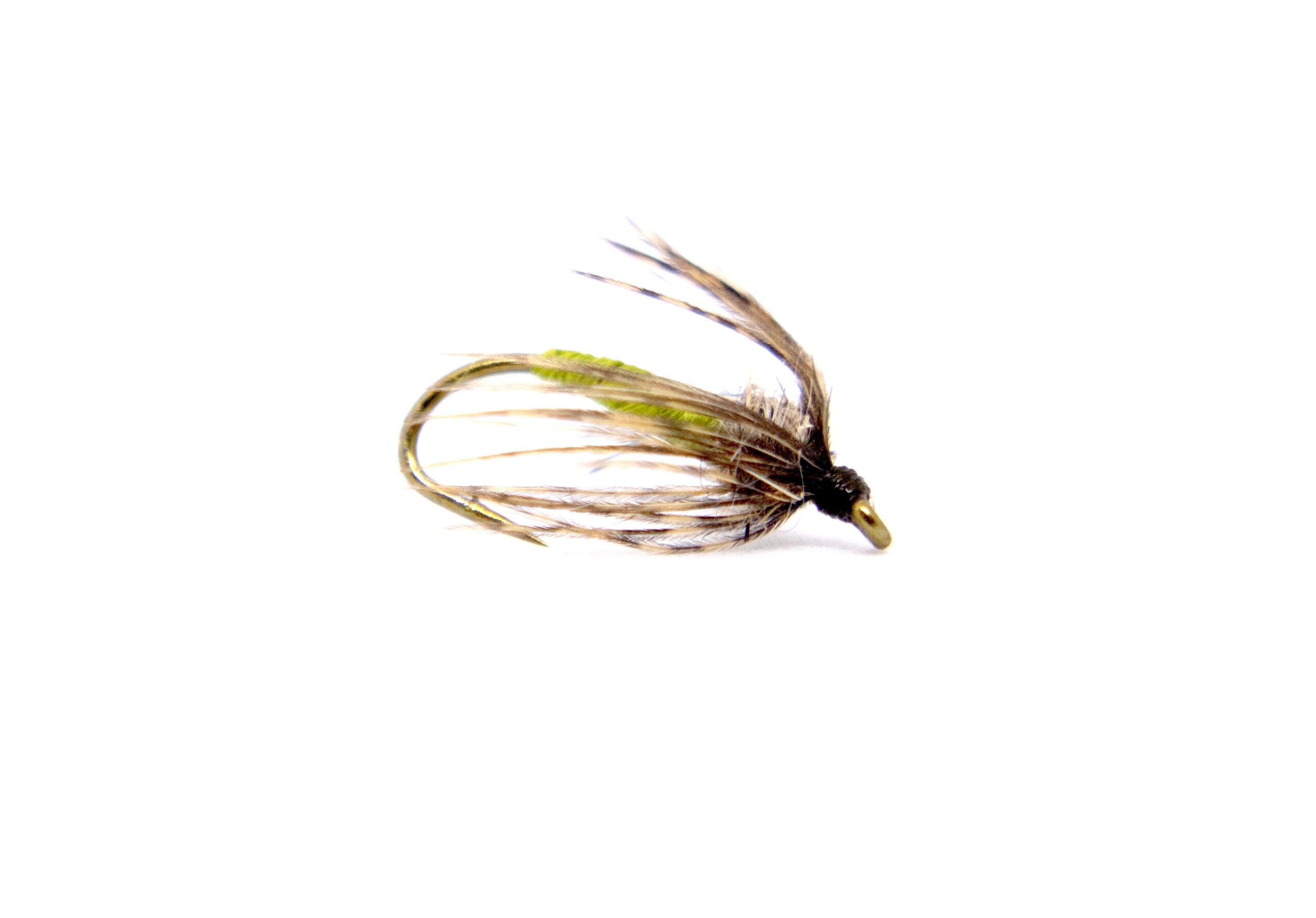
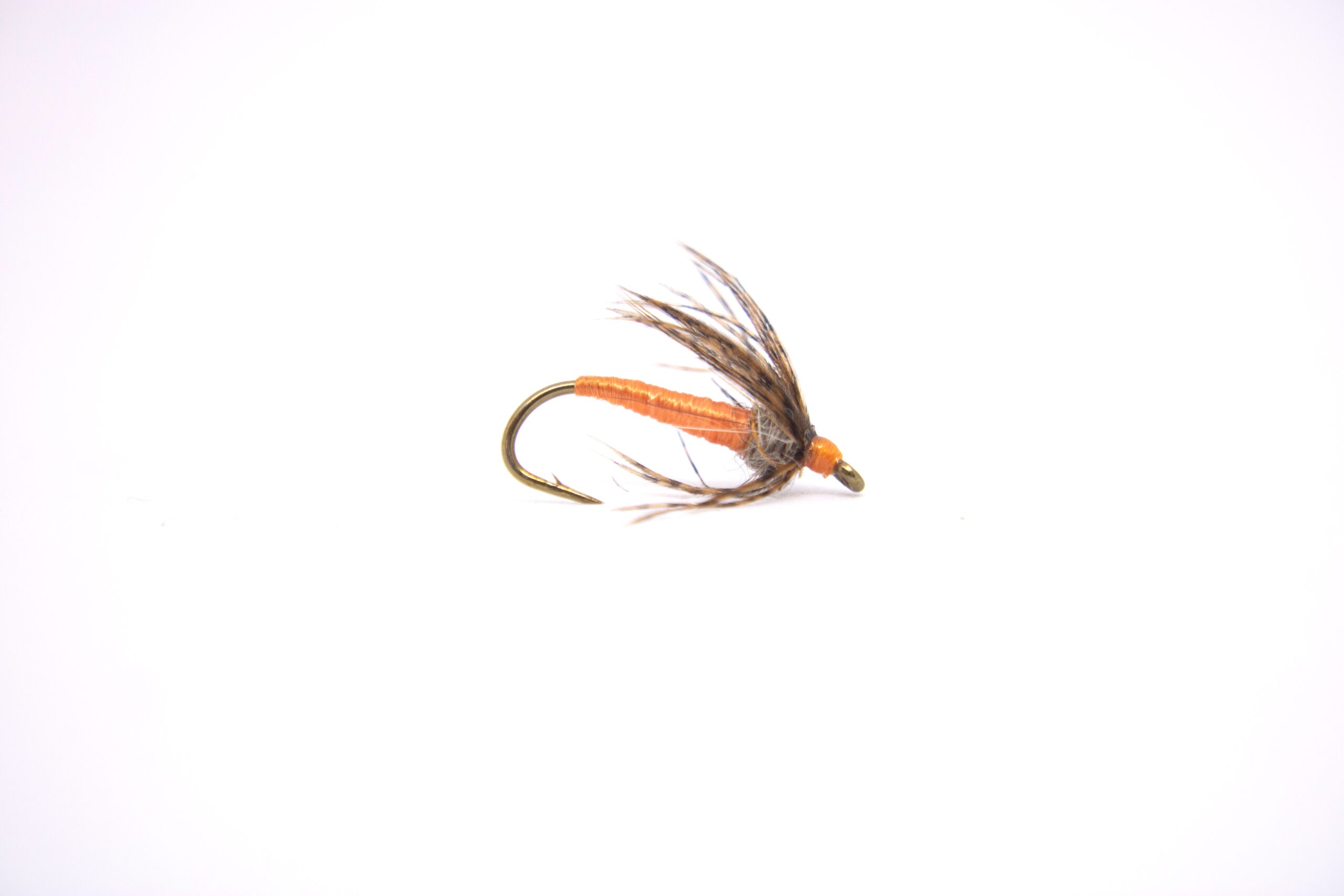
Wet flies/Soft hackles
-
-
Partridge & Orange – #14–18
-
Soft Hackle Pheasant Tail – #12–18
-
Hot Spot Spider – #14–18
-
Soft Hackle Hare’s Ear – #14–18
-
Teal and Black – #14–18
-
Partridge & Yellow – #14–18
-
Starling & Herl – #14–18
-
-
Perfect for spooky midsummer trout — swing them across glassy stretches or fish them upstream with a long leader.
Salmon Flies & Tactics (Mid-July to September)
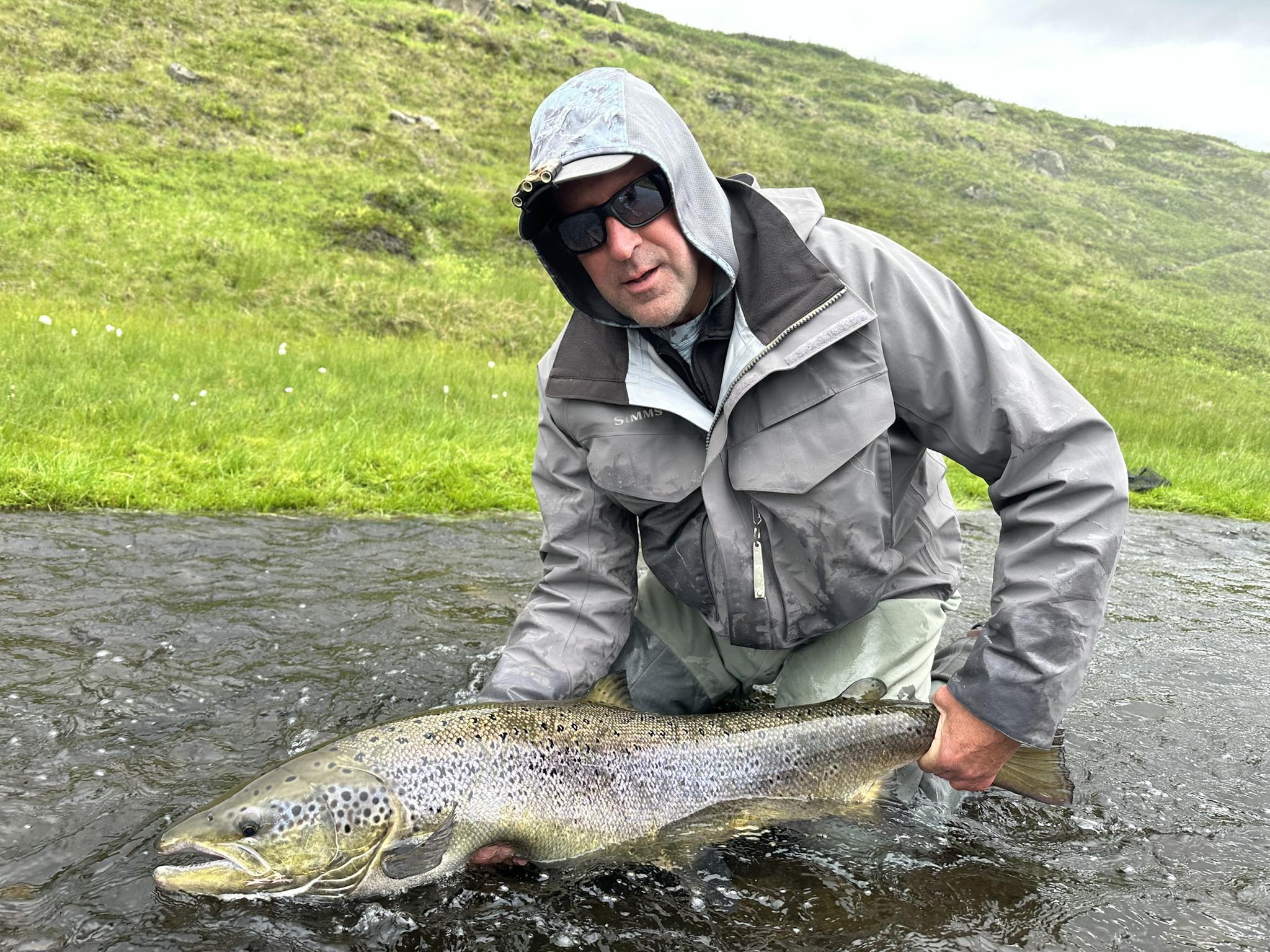
From the middle of July onward, the river shifts strongly toward salmon fishing. Early in the salmon run, salmon respond exceptionally well to small, unweighted Sunray tubes and slightly larger hook flies in #10–12.
Important Note on Brown Trout During Salmon Season
Even though our focus turns almost completely to salmon from mid-July, the brown trout fishing remains fantastic. We frequently cast to rising browns while salmon fishing.
Salmon flies
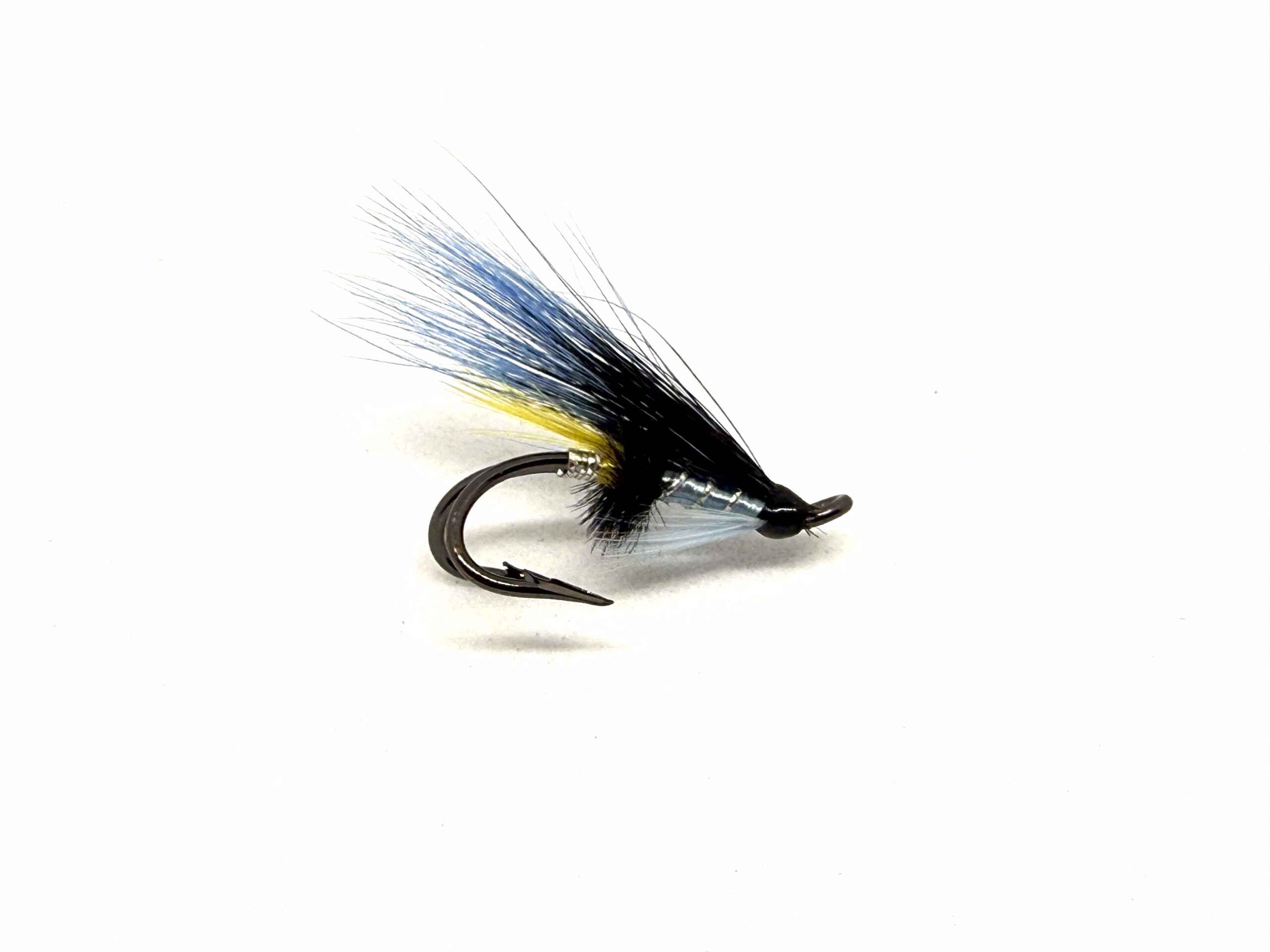

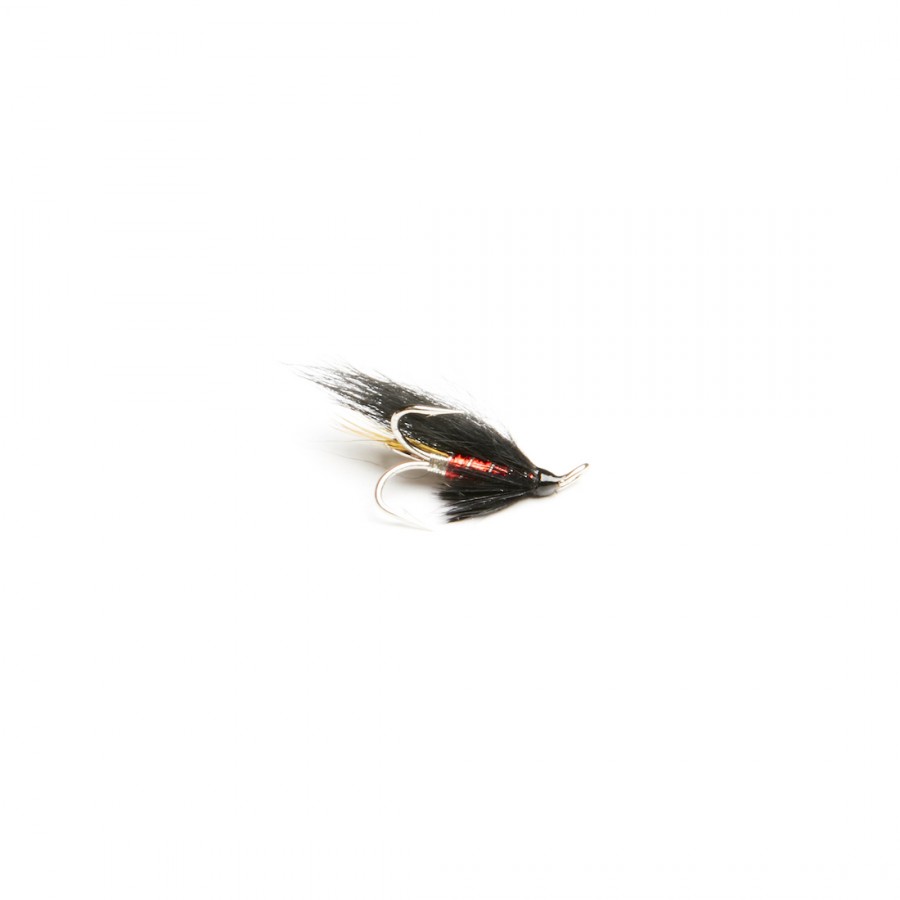
- Laxá Blá # 16 – 10
-
Green Butt #16 – 10
-
Munroe Killer #16 – 10
-
Silver Sheep #16 – 10
-
Black Sheep #16 – 10
-
Dimmblá #16 – 10
-
Red Frances & Black Frances #16 – 10
-
Arndilly Fancy #16 – 10
-
Haugur #16 – 10
-
Metallica #16 – 10
Smaller sizes (#14–16) become more effective as water clears later in August. Sparsely dressed flies have proven to work best.
Tube flies
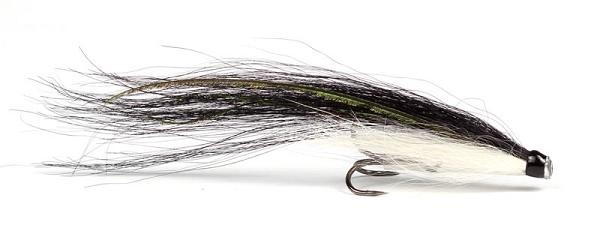
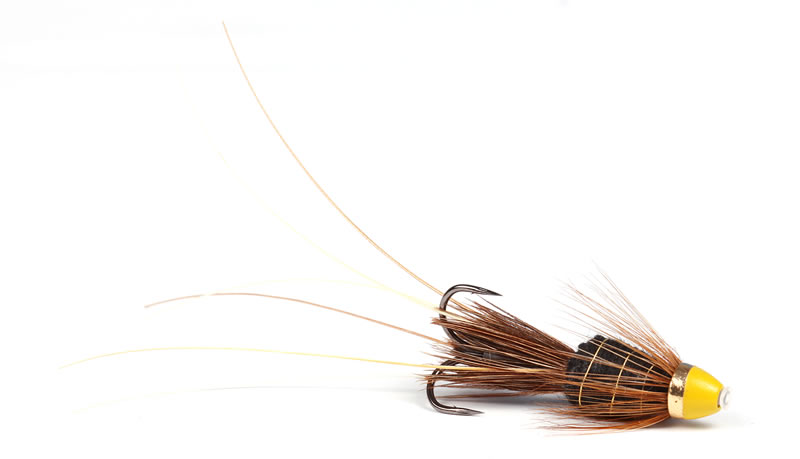
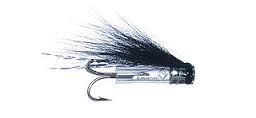
- Sunray shadow
- Evening dress
- Collie dog
-
Frances 1/4″ – 1/2″
- Various riffling hitch patterns in different sizes
- Green but cone
- German Snælda
- Friggi 1/2″
The canyon contains several deep pools where salmon often hold under shelves or ledges. In these areas, heavier tubes are needed.
Late August – September
As the season progresses into autumn, salmon often prefer smaller flies, and more delicate presentations become effective. Patterns in #14–16 are frequently used.
Seasonal Conditions & Tactics
April – middle of May
-
Primarily nymph fishing
-
Cold water → trout hold deeper
-
Tungsten nymphs and indicator setups work well
-
Some streamer action on warmer days
End of May – July
-
Early dry fly season, often starting earlier than other Icelandic rivers
-
Trout feed higher in the water on warm days
-
First salmon arrive around the middle of June
-
Dry-dropper setups are highly effective
Late July – Early August
-
Peak action for both trout and salmon
-
Dry flies and emergers for trout
-
Hitch flies and small Sunray tubes for salmon
Late August – September
-
Salmon runs are in full swing
-
Smaller salmon flies (#14–16) preferred
Starter Pack – Essential Flies for Mýrarkvísl
A reliable all-round fly selection includes:
Nymphs
Perdigons, PT’s, Zebra Midge (#12–18)
Dry Flies
Adams, Caddis, F-Fly, Klinkhammer (#14–20)
Salmon Flies
Small Sunray tubes, Green Butt, Laxá Blá, Frances (#10–16)
Streamers
Black Ghost, Rektor, Wooly Bugger (#6–10)
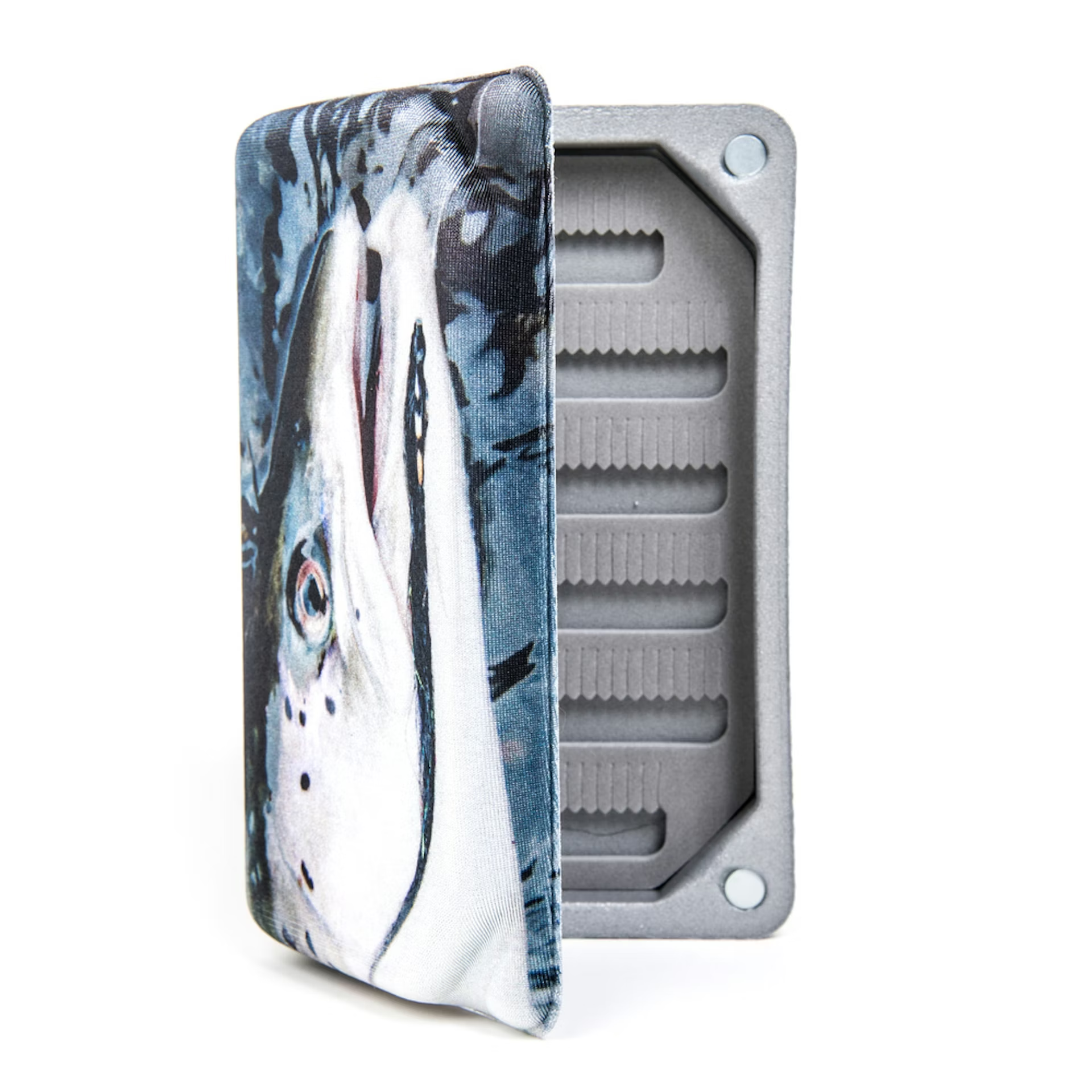
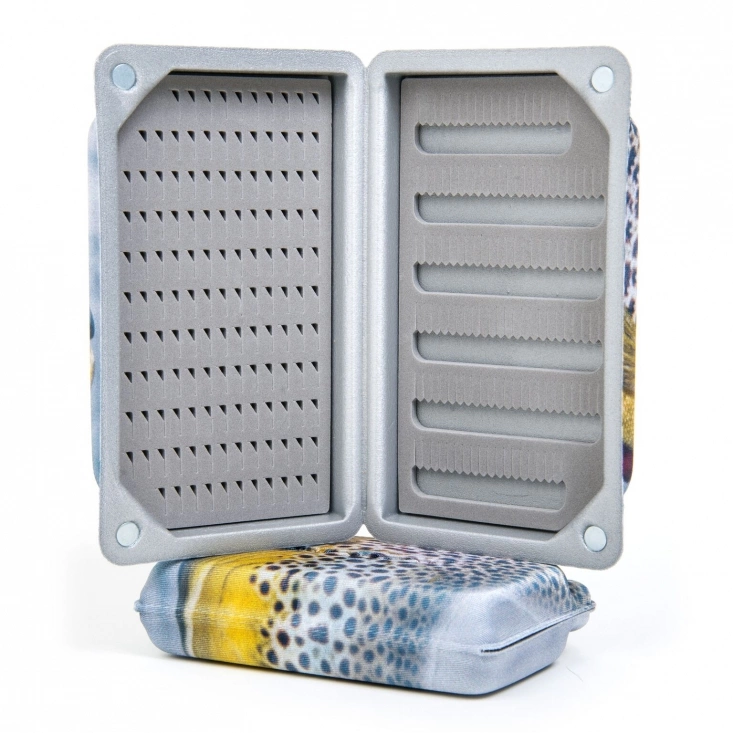
Fly Boxes & Lodge Fly Shop
We do have a small fly shop at the Mýrarkvísl lodge, stocked with all of our favorite and most reliable patterns for both trout and salmon. If you would like a ready made selection tailored to the exact conditions of your trip, we can prepare a fly box in advance and have it waiting for you upon arrival.
Small Fly Box – 40–50 flies
Price: 35,000 ISK
Large Fly Box – 80–100 flies
Price: 60,000 ISK
For avid fly tyers
Here are two playlists with fly tying instructions that include many of the patterns mentioned above.
Trout flies: https://www.youtube.com/playlist?list=PLg9oZg6t-hmWXf8SXHic_MvNfp8Qe-6bS
Salmon Flies: https://www.youtube.com/playlist?list=PLg9oZg6t-hmUCTRiekP1mj-EK-aP0rdqx
Not the Only Flies That Work
While this blog shows a list of flies we regularly recommend for Mýrarkvísl, they are by no means the only patterns that catch fish and each spring, summer and autumn is different, so its always best to be prepared for everything. We strongly encourage anglers to bring their own favorites and “secret weapons,” as many of the successful trout flies used worldwide also perform extremely well here.